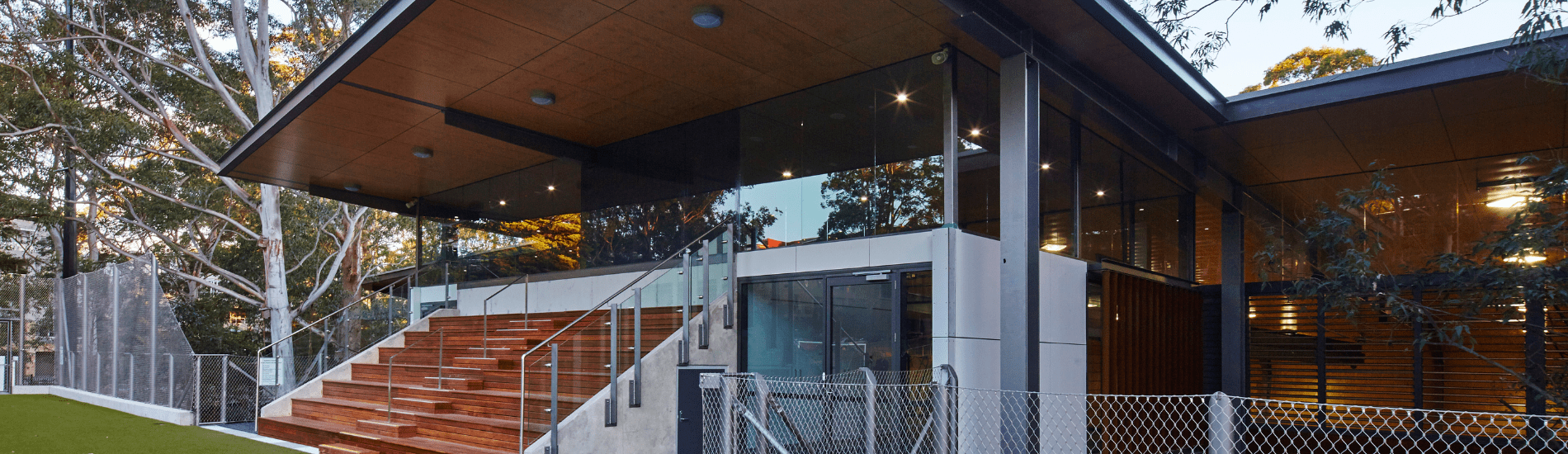
New tools are continually being developed that empower designers and architects to push their creative boundaries. Computational Design is unlocking many possibilities in parametric design, transforming the way architects and designers approach complex projects, including feature ceilings.
Colin Beattie
CEO
Colin Beattie is a leader in customised architectural lining solutions that balance aesthetics with performance. Under his leadership, SUPAWOOD has built a reputation for distinctiveness and quality manufacturing.
He champions SUPAWOOD’s commitment to architecturally distinctive solutions, expert, personalised service and compliant, sustainable systems that meet the highest standards of fire, acoustic and seismic performance.
Profile: LinkedIn
Posts
Beyond compliance: sustainable linings lead the way in fire safety for NCC 2025
It goes without saying that fire safety is paramount in Australian building design. In a country that has always been prone to extreme weather, which is now being exacerbated by climate change, the imperative to design with fire-resistant materials is becoming increasingly significant.
It’s with this backdrop that the new changes to National Construction Code 2025 are being released. And while there are sweeping revisions expected to many aspects of building design, one of the most pertinent areas is in the updates to fire performance requirements for architectural linings, the materials used to enhance interior walls and ceilings.
Beyond the green façade: The power of precise specification for true sustainability
While the architecture and design industry is increasingly embracing sustainability, a troubling undercurrent of greenwashing persists. Vague environmental claims and misleading marketing tactics, coupled with the lack of clear standards and precision during the specification process, leaves plenty of room for exaggeration and deception. This issue affects all facets of the industry, from heavy duty building materials to the finest linings.
6 Reasons SUPAWOOD’s WAVE BLADES CONCEPT CREATORS Simplify Ceiling Design
For architects and designers, bringing a complex ceiling design to life has traditionally been a time-intensive process. However, SUPAWOOD’s WAVE BLADE CONCEPT CREATORS are changing that by offering tools specifically built to streamline these challenges. Imagine instant design visualization and real-time collaboration with clients, right in the moment! Compliance? Sorted with on-screen checks and, once your design is perfect, you skip the shop drawing phase entirely- sending your vision straight into production. Fast, efficient, and stunning-this is the future of ceiling design.
Artistic Ceilings Made Easy With SUPAWOOD’s New Configurator Tools
The aim of the configurators is to simplify the previously time-consuming process of designing an intricate feature ceiling. Now, you can collaborate with colleagues or even create your design with a client either in person or during a video meeting. Another significant benefit is that you will receive budget pricing and once you are happy with your final design it can be sent directly to the SUPAWOOD factory, bypassing the shop drawing phase and further reducing lead times.
NCC 2025 Changes to Timber Panelling: What You Need to Know
The NCC 2025 introduces critical updates to fire safety assessments for timber panelling. With the implementation of Clause S7C4 and Clause A5G6, the industry has moved toward a higher standard of accountability, requiring all fire evaluations to originate from Accredited Testing Laboratories. Learn how these changes affect builders, architects, and surveyors in maintaining rigorous safety and compliance standards across Australian projects.
Debunking the Myths: MDF in Modern Construction
In the construction industry, materials play a crucial role in determining the quality, durability, and safety of a build. One such material that often finds itself at the centre of debates is Medium-Density Fibreboard (MDF). Despite its widespread use, there’s a lingering misconception that MDF is banned in construction. Let’s clear up this myth and explore why MDF continues to be a valuable resource in the industry.
Timber vs Fabric Wall & Ceiling Linings. Which is better?
The use of timber and fabric in acoustic design is a popular choice for architects and designers as they offer a visually appealing and sustainable option. Timber can provide warmth and texture to a space, while fabric can add colour and pattern.
How Can You Easily Incorporate Indigenous Art into Your Project
Designing with Country is an approach to design and planning that “recognises the unique systems of knowledge and ways of being of Aboriginal people”. Projects using this design approach are aiming to integrate indigenous voices as the foundation and by doing so bring a stronger connection between culture, the land and its inhabitants.
What is the impact resistance of SUPAWOOD panels?
We are most frequently asked this question during Sports Centre projects where decorative acoustic panels are being used on courts for ball-sports; where the panels are at risk of being directly hit by balls.
Top 4 Acoustics Benefits to Consider for Your Office Fit-out
The best office is a functional office fit for purpose. A place that entices employees to be productive and to prefer the workplace over remote working.
Unlocking Sustainability: The Power of Recycled Timber in Modern Projects
The topic of sustainability in construction is stronger than ever before. As we navigate the pressures of climate change and the urgent need for environmental preservation, industries across the country are answering this call by embracing green practices. One industry leading the charge is construction.